From strategy to execution: lessons from BMG’s Cash Pool Roundtable at the Future of Food event
Back to overview2026-06-29
At ING’s recent Future of Food event in Fort Worth, Texas, treasury leaders came together for a focused roundtable hosted by Bank Mendes Gans (BMG). The discussion moved beyond theory, exploring how liquidity strategies actually play out in day-to-day operations. A simple question guided the discussion: if we all agree on what good liquidity management looks like, why is change still so difficult?
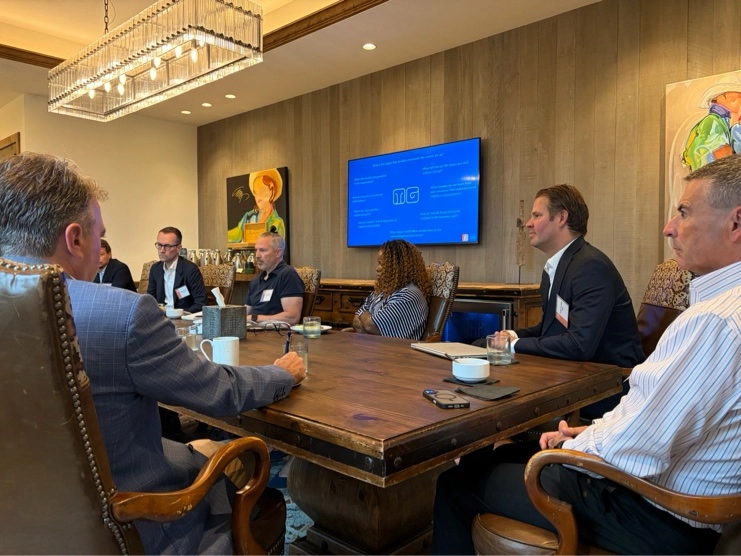
Turning strategy into reality
While cash pooling is widely recognized as a best-practice solution, participants were clear: the real challenge is not technical. It sits within the organization. Across industries, three themes consistently emerged:
- Change is human: Progress depends on stakeholder alignment, building internal confidence, and addressing perceived risk
- Progress is practical: Step-by-step implementation creates momentum, delivers early wins, and reduces complexity
- Every journey is different: Organizations evolve at their own pace; flexibility is essential for long-term success
Grounded in real experience
Client voices brought these themes to life. Shawn Casey (McCormick) and Craig Braun (Catalent) shared how their organizations translated liquidity strategies into measurable results.
Cash pooling plays a key role in supporting growth, particularly in acquisitive organizations. By centralizing liquidity, treasury teams can simplify onboarding of new entities and reduce reliance on fragmented local funding structures.
At the same time, increased visibility over intercompany balances enables better control and more efficient balance sheet management. As structures mature, organizations often combine pooling with complementary solutions such as netting, thus further streamlining processes and improving outcomes.
Flexibility also stood out as a success factor. Whether through automated sweeping structures or more decentralized participation models, the right approach depends on organizational dynamics and internal incentives.
Alignment drives progress
A significant part of the discussion focused on tax and stakeholder alignment; areas often seen as barriers, but in reality, enablers when managed proactively.
Participants emphasized that tax is not a blocker, but an ongoing consideration that requires continuous dialogue and careful monitoring. Early engagement with stakeholders, transparent communication, and addressing concerns around control and risk are critical to building confidence.
In practice, successful implementation is rarely a one-off project. It is a continuous process of adapting, learning, and scaling over time.
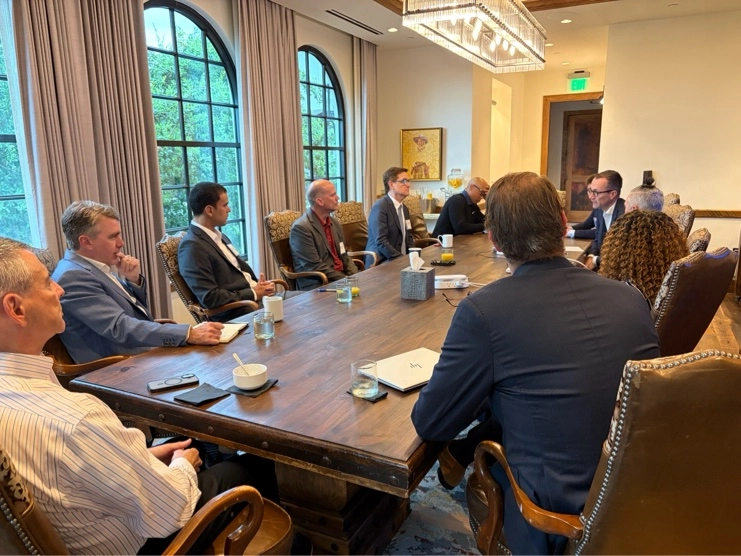
From discussion to delivery
As participants compared experiences, one pattern clearly emerged: implementation succeeds when it is broken down into manageable steps. Teams typically start with a focused scope, simplify onboarding to encourage adoption, and evolve their structures as organizational needs change. Over time, this phased approach builds trust and delivers sustainable results.
A partnership approach
For many clients, collaboration with BMG plays a central role in this journey – going beyond traditional banking services.
As Craig Braun (Catalent) shared:
“BMG really feels like an extension of our corporate treasury. BMG is the only bank proactively asking for client input into product development.”
Shawn Casey (McCormick) added:
“It’s our favorite bank from all the banks we work with. That’s why we participate in sessions like this.”
Ready to turn your liquidity strategy into execution?
Whether you are at the start of your cash pooling journey or looking to optimize an existing structure, our team is here to help you move forward.